Category: Guides

Plain-English guides for people thinking about their next move, and for their families.

  • How to downsize without the stress

    How to downsize without the stress

    Moving somewhere smaller usually means letting go of some things you’ve gathered over the years. Done in a rush, it can feel overwhelming. Done with a plan and a bit of time, it can be surprisingly freeing.

    Give yourself time

    The single best thing you can do is start early. Three to six months before a move gives you room to make decisions calmly, without the pressure of a removal date. You can begin long before you’ve found your next home.

    Start with the easy rooms

    Begin where there’s least emotion attached: the garage, the loft, the shed, the spare room. Clearing these first builds momentum and frees up space to sort everything else. Leave the rooms full of memories, and the photographs, until later.

    Know what will fit

    If you have a floor plan of your next home, use it. Measure your favourite furniture and check where it would go. It’s far easier to decide what to keep when you can picture it in its new place, and it saves paying to move things that won’t fit.

    Sort into four piles

    1. Keep: things you use, love, and have room for.
    2. Give: things family or friends would treasure.
    3. Sell or donate: furniture and items in good condition.
    4. Recycle or dispose: everything else.

    A simple question helps: have I used this in the last year, and would I buy it again?

    Go one room at a time

    Pick one room, or even one cupboard, and finish it before moving on. Short sessions of an hour or two are less tiring than whole days, and you’ll see steady progress.

    Sentimental things

    You don’t have to part with everything that means something. Keep the pieces that matter most and display them in your new home. For other items, a photograph can keep the memory without the space. Some people find it helps to choose a set number of keepsakes, such as one box, and fill it with their favourites.

    Where things can go

    • Family and friends: offer items first, with a clear date to collect by.
    • Charities: many charity shops take furniture and household goods, and some offer free collection.
    • Selling: local auction houses, online marketplaces and dealers for antiques or collections.
    • Clearance: a house clearance firm can take whatever’s left. Get a few quotes.

    Ask for help if you want it

    Some people like to do it all themselves; others prefer company. Friends or family can help with lifting and trips to the tip. There are also professional decluttering and move-management services that will do as much or as little as you like.

    Plan the last few weeks

    • Book removals early and confirm what they’ll pack.
    • Pack an “open first” box: kettle, mugs, medication, chargers, toiletries, bedding and important papers.
    • Label boxes by room in your new home.
    • Arrange redirection of post and let your bank, GP and utility companies know your new address.

    How we can help

    Every Dorada bungalow has two bedrooms and a private garden, so there’s room for the things that matter most. When homes are released, we can share floor plans to help you plan, and our Help to Move scheme takes care of the practical side of moving. Register your interest to hear first.

  • Why are bungalows so hard to find?

    Why are bungalows so hard to find?

    If you’ve been looking for a bungalow and keep coming up empty-handed, you’re not imagining it. Bungalows are among the most wanted homes in the country, and among the rarest to be built.

    How few are being built

    In 2025, just 1,505 new bungalows were registered with the NHBC, the main new-home warranty provider, out of more than 115,000 new homes. That’s roughly 1 in every 77 new homes. In 1990, bungalows made up about 1 in 9.

    How many people want one

    Demand tells a very different story. A 2024 survey by Ipsos and the Housing Learning and Improvement Network found that 41% of people aged 50 and over expect their next home to be a bungalow, more than any other type of home. Separate research for the HomeOwners Alliance in 2025 found that 38% of homeowners over 55 would prefer a bungalow for their next move.

    The same research suggests around 1.2 million homeowners over 55 have put plans to move on hold in the last two years, often because they can’t find the right home.

    So why aren’t more being built?

    Mostly, it comes down to land. A bungalow spreads everything out on one floor, so it takes up more ground than a two-storey house with the same space inside. On the same plot, a housebuilder can usually fit more houses than bungalows, and make more money doing it.

    Planning policy has also tended to push for more homes on each site, which works against single-storey homes.

    Is that changing?

    There are signs it is. National planning policy now asks councils to plan properly for older people’s housing, including identifying suitable sites, and to require more homes built to accessible and adaptable standards. Government-commissioned research has also found that older people consistently prefer bungalows to houses, and houses to flats.

    Why bungalows suit so many people

    • Everything on one level, with no stairs to manage.
    • Your own front door and garden, unlike most apartments.
    • Easier to adapt if needs change in the future.
    • Often easier and cheaper to keep warm than a larger family house.

    Why we build them

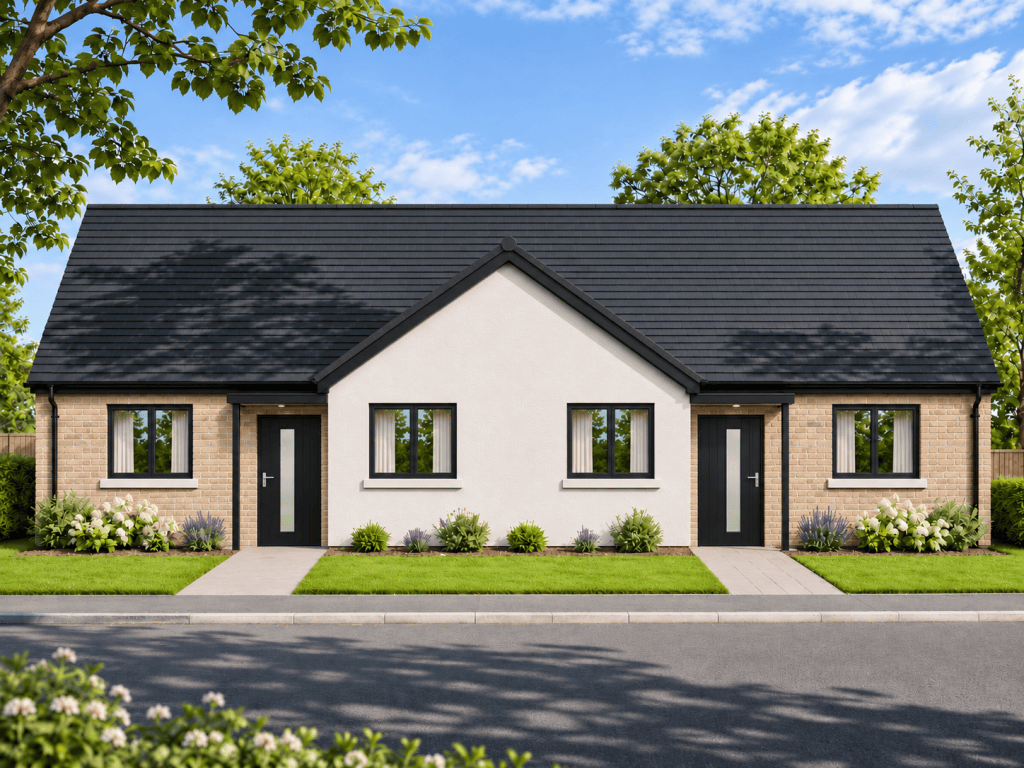
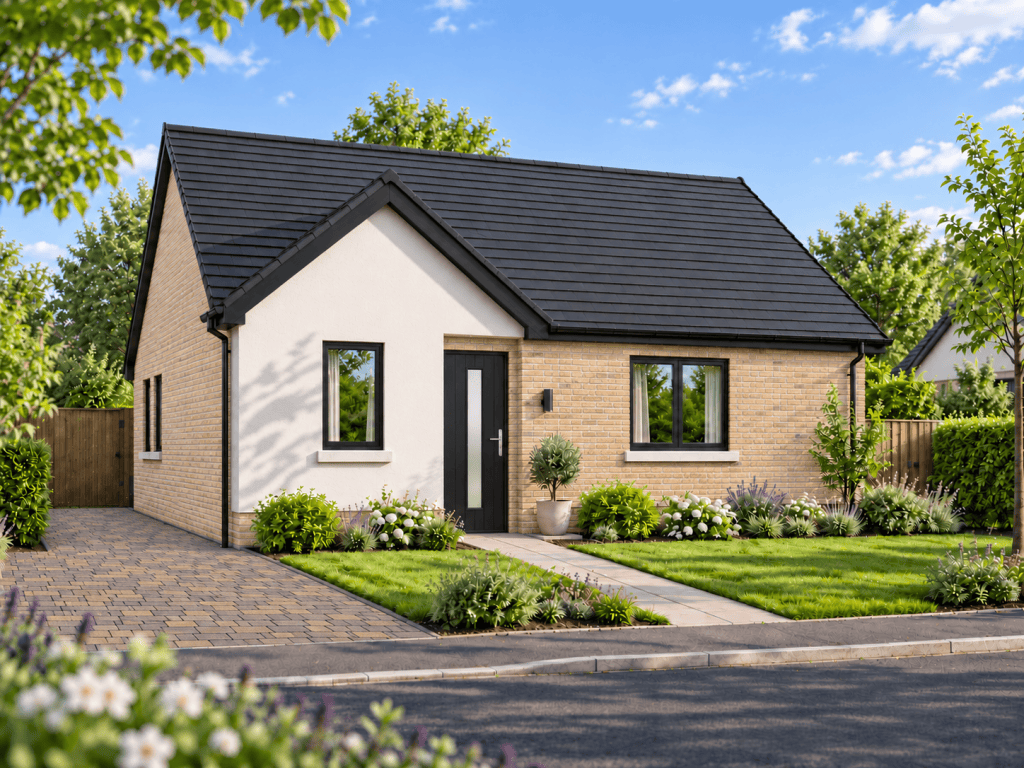
    We started Dorada Living because we think the shortage of good bungalows is wrong. We design and build new two-bedroom bungalows for over 55s, all on one level, with a private garden, parking, and solar panels and battery storage as standard. See the homes or register your interest.


    Sources: NHBC new home registrations, 2025 and 2024/25, as reported by Which?; Older People’s Housing Preferences, Ipsos and Housing LIN, 2024; HomeOwners Alliance research with Opinium, 2025; What older people want, Ministry of Housing, Communities and Local Government, 2024; The Older People’s Housing Taskforce Report: government response, 2026.

  • Freehold or leasehold: what’s the difference?

    Freehold or leasehold: what’s the difference?

    If you’re thinking about your next move, it’s worth knowing whether a home is freehold or leasehold before you fall in love with it. It affects what you own, what you pay each year, and how easy the home is to sell later.

    Freehold: you own the home and the land

    With a freehold home, you own the building and the land it stands on, with no end date. You don’t pay ground rent, you don’t need anyone’s permission for most changes, and there’s no lease running down over time.

    Most houses and bungalows in England are sold freehold.

    Leasehold: you own the right to live there for a set time

    With a leasehold home, you own a lease that lets you live in the property for a fixed number of years. Someone else, the freeholder, owns the building and the land. Most flats, including many retirement apartments, are leasehold.

    Leasehold isn’t always a problem, but it usually comes with more to check:

    • Service charges for the building and shared areas, which can rise.
    • Ground rent on some older leases.
    • Permission from the freeholder for some changes, such as alterations or sometimes pets.
    • Lease length. As a lease gets shorter, a home can become harder to sell or mortgage, and extending it costs money.
    • Fees when you sell. Some retirement properties charge an exit or transfer fee, sometimes a percentage of the sale price.

    The government is reforming leasehold, including how fees and service charges work in homes for older people, so the rules are changing. It’s always worth getting up-to-date advice on any lease you’re considering.

    What about estate charges on freehold homes?

    Some newer freehold developments have shared roads, gardens or community spaces that aren’t looked after by the council. Owners usually pay a yearly estate or service charge for their upkeep. That’s normal, but you should know exactly what it covers and how it’s set.

    Questions to ask before you buy

    • Is the home freehold or leasehold?
    • If it’s leasehold, how many years are left on the lease?
    • Is there a service or estate charge? How much is it, what does it cover, and how often can it change?
    • Can I see what the charge was spent on last year?
    • Are there any fees when I sell or move out?
    • Are there any rules about pets, visitors or changes to the home?

    A solicitor will check all of this before you buy, but asking early saves time and surprises.

    How it works at Dorada

    Every Dorada bungalow is sold freehold, with no lease and no ground rent. Shared gardens, the community hub and general upkeep are covered by one open-book service charge, so you can see exactly what it’s spent on each year. And we don’t charge exit fees when you move on. See how buying and renting work.


    This guide is general information, not legal advice. For advice on a particular property, speak to a solicitor or licensed conveyancer. For free, impartial guidance on homes and money, visit MoneyHelper.